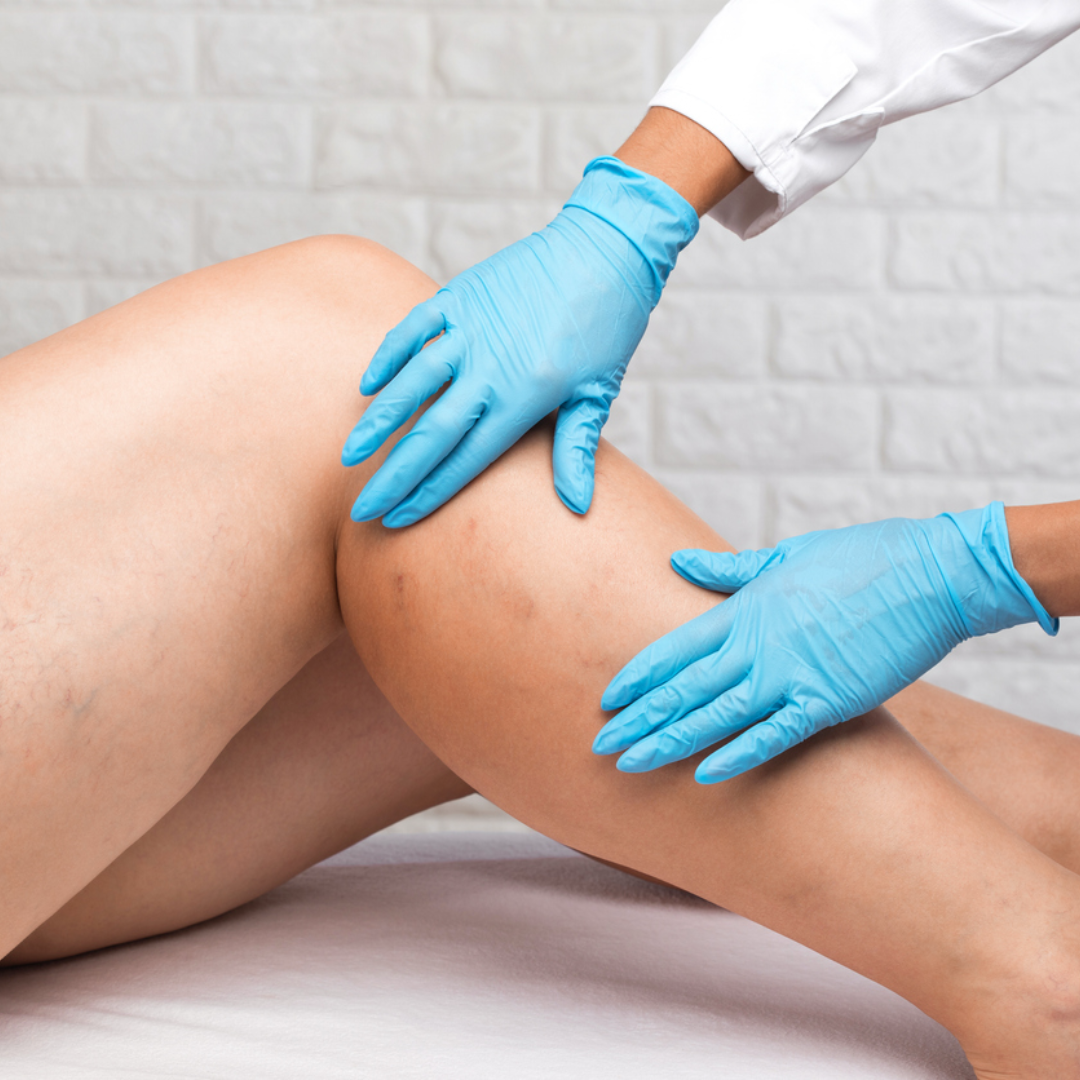
Leg ulcers can be confusing — and treating the wrong type can slow healing or make the wound worse. Two of the most common types of leg ulcers are arterial ulcers and venous ulcers. They may look similar at first, but they come from different circulation problems and require different care plans.
Below, we’ll explain the most important differences between arterial vs. venous ulcers, how to recognize symptoms, and what treatments typically help each type heal.
Both arterial and venous ulcers are open wounds that most often develop on the lower legs or feet. The difference is why they form:
Arterial ulcers happen when arteries can’t deliver enough oxygen-rich blood to the tissues.
Venous ulcers happen when veins can’t move blood back up the leg effectively, causing pressure and swelling that break down the skin.
Understanding the cause matters because treatment should support the circulation issue behind the wound — not just cover the sore.
Arterial ulcers develop from reduced arterial blood flow, often linked to:
Atherosclerosis (plaque buildup in arteries)
Diabetes (can worsen circulation)
Smoking history
High blood pressure or high cholesterol
When blood flow is limited, the skin and tissue don’t get enough oxygen and nutrients, making it easier for a wound to form and harder for it to heal.
Venous ulcers are caused by venous insufficiency, meaning the valves in the leg veins don’t work properly. Blood pools in the lower legs, increasing pressure and damaging the skin over time.
Common contributors include:
Varicose veins or chronic venous insufficiency
Previous blood clots (DVT)
Long periods of standing or sitting
Swelling in the lower legs
History of leg ulcers
Venous ulcers are the most common type of chronic leg ulcer.
If you’re comparing arterial vs. venous ulcers, location, pain level, and the surrounding skin often give strong clues.
Arterial ulcers commonly show up:
Location: Toes, foot, outer ankle, or pressure points
Appearance: “Punched out” look with well-defined edges; pale, yellow, or gray wound base
Pain: Often severe; may worsen when legs are elevated
Skin signs: Cool, shiny, hairless skin; weak pulses in the feet; possible numbness
A key clue: If someone has foot pain at night or pain that improves when the leg hangs down, that can point toward arterial circulation problems.
Venous ulcers commonly show up:
Location: Inner lower leg, above the ankle
Appearance: Shallow wound with irregular edges; red or pink wound base; may weep fluid
Pain: Often mild to moderate; may improve with leg elevation
Skin signs: Swelling, brown discoloration, thickened or itchy skin; heaviness in the legs
A key clue: Swelling that worsens during the day and improves with elevation often points to venous insufficiency.
Proper diagnosis is essential because the treatments are different — and the wrong approach can backfire.
For example:
Compression can be very effective for venous ulcers, but compression may be unsafe if arterial blood flow is significantly reduced.
If an ulcer is arterial, the priority is improving blood flow — otherwise the wound may not heal.
At Advanced Wound Therapy, our team evaluates circulation and the wound itself to build a plan that supports healing safely.
A provider may use a combination of:
Physical exam (wound appearance, skin temperature, swelling)
Pulse checks in the feet
Non-invasive circulation testing (to assess blood flow)
Wound measurements and monitoring over time
When circulation is involved, it’s not enough to guess based on appearance alone — testing helps confirm what’s happening beneath the skin.
Treatment for arterial ulcers focuses on improving blood flow and protecting the wound so tissue can recover. A care plan may include:
Managing underlying PAD risk factors (blood pressure, cholesterol, diabetes)
Medication changes or new medications as appropriate
Lifestyle support (especially smoking cessation)
Specialized wound dressings and in-office wound care
Referral for vascular evaluation when needed to restore circulation
The goal is to address the circulation problem so the body can actually rebuild tissue.
Treatment for venous ulcers focuses on reducing venous pressure and swelling while supporting wound closure. This may include:
Compression therapy (when appropriate)
Wound dressings chosen for drainage and protection
Leg elevation strategies to decrease swelling
Activity guidance to promote healthy circulation
Ongoing monitoring to prevent recurrence
Because venous ulcers can return, prevention and long-term management matter just as much as healing.
You should seek evaluation if:
A sore on the leg or foot isn’t healing after 2–3 weeks
The wound is painful, worsening, or draining
You have diabetes, known circulation issues, or numbness
You notice spreading redness, fever, or increasing swelling
Early care can prevent complications and shorten healing time.
If you’re dealing with a non-healing wound, you don’t have to guess what type it is. At Advanced Wound Therapy, we specialize in diagnosing and treating arterial and venous leg ulcers with personalized care plans designed to support true healing.
Contact us today to schedule a consultation and take the next step toward recovery.
Author: Matt Carmichael, DO
Don't wait—get the expert wound care you need. Schedule your consultation with Advanced Wound Therapy today.
