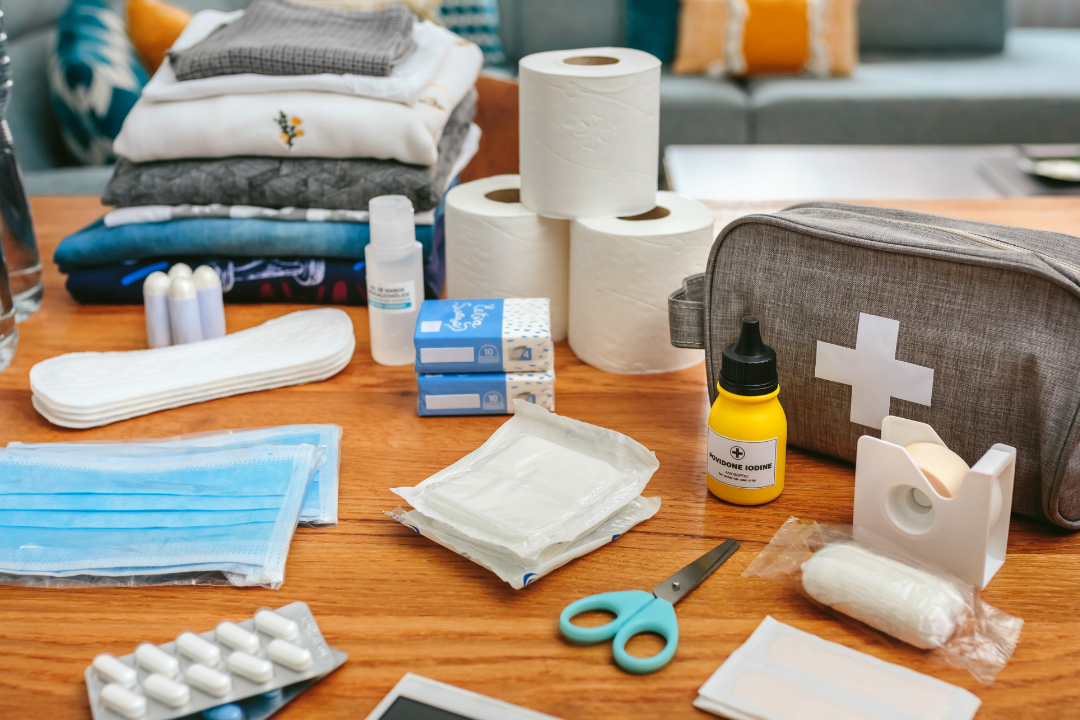
When you’re dealing with a wound — whether it’s a surgical incision, diabetic ulcer, pressure sore, or chronic leg wound — it’s natural to start searching for the right wound care supplies.
A quick online search brings up hundreds of options: gauze pads, hydrogel dressings, silver-infused foams, wound cleansers, and more. But knowing which wound care supplies are actually helpful — and when supplies aren’t enough — can make the difference between safe healing and serious complications.
At Advanced Wound Therapy, we help patients across Oklahoma understand what’s useful at home, what’s unnecessary, and when expert wound care is the most important “supply” of all.
Wound care supplies are medical materials used to clean, protect, dress, and support healing in open wounds. These supplies help reduce infection risk, manage drainage, and create the right environment for tissue repair.
Common medical wound care supplies include:
Dressings and bandages
Sterile cleansing solutions
Antimicrobial products
Specialty wound coverings for chronic wounds
The right supplies depend entirely on the wound type, depth, and underlying cause.
Some wounds can be managed in the short term with a few essential supplies. Whether you’re dealing with a minor scrape or in-between visits from a wound care nurse, here’s what we recommend keeping on hand:
Sterile gauze is one of the most widely used wound care supplies. It can help:
Cover open areas
Absorb light drainage
Protect wounds from dirt and bacteria
Bandages help hold dressings in place and reduce irritation from clothing or movement.
Sterile saline is ideal for gently rinsing wounds without damaging healing tissue.
Avoid harsh products like hydrogen peroxide or alcohol — they may kill bacteria, but they also harm healthy tissue and can delay healing.
Hypoallergenic medical tape helps secure dressings, especially for patients with fragile or sensitive skin.
For wounds on the legs, wraps may also help manage swelling when used under professional guidance.
Over-the-counter antibiotic creams can help prevent infection in small cuts or abrasions. Just avoid overusing them—they’re not designed for chronic wounds or deep ulcers.
Non-adherent pads are important wound dressing supplies because they:
Protect the wound bed
Reduce pain during dressing changes
Prevent new tissue from being torn away
These are especially helpful for wounds that are draining or slow to close.
Over-the-counter antibiotic creams may help prevent infection in small scrapes or superficial cuts.
However, these are not designed for:
Deep ulcers
Chronic wounds
Diabetic foot sores
Chronic wounds require specialized care, not just topical ointment.
Foam dressings are advanced wound care supplies often used for wounds that produce more fluid. They help:
Absorb drainage
Cushion the area
Maintain a moist healing environment
These are common in professional wound care plans.
Silver-infused dressings may be used when infection risk is high. These specialty wound care supplies can reduce bacterial growth — but they should be selected carefully based on the wound type.
For wounds caused by moisture, friction, or pressure, skin barriers can protect surrounding tissue and prevent breakdown.
This is especially important for patients with limited mobility.
Different wounds require different approaches. Here are examples of supplies commonly used for specific conditions:
Sterile gauze
Non-stick pads
Gentle cleansing solution
Specialty offloading devices
Advanced antimicrobial dressings
Professional monitoring
Foam dressings
Skin barrier protection
Pressure-relieving support surfaces
Compression therapy (only when appropriate)
Absorptive dressings
Ongoing circulation assessment
Advanced dressings
Debridement tools (professional use)
Regenerative therapies
A surprising number of people try to manage serious wounds with drugstore bandages and topical creams. We get it—it feels proactive. But not all wounds are created equal, and many require more than supplies. Here are signs that your wound needs expert intervention, not just home treatment:
In these cases, no amount of gauze or ointment will fix the problem. In fact, the wrong supplies may actually slow healing or increase infection risk. That’s when it’s time to call in a wound care specialist.
As a mobile wound care provider, Advanced Wound Therapy goes far beyond what any clinic or supply cabinet can offer. We come directly to your home or care facility with advanced tools and tailored solutions, including:
We use specialized dressings that manage drainage, promote healing, and reduce infection risk—all selected specifically for your wound type and medical history.
Dead tissue can prevent healing. Our clinicians are trained in safe, effective debridement techniques that prepare your wound for faster recovery.
We’re one of the only providers in Oklahoma offering amniotic tissue grafts, a powerful solution that promotes tissue growth by delivering natural growth factors directly to the wound bed. You won’t find that on a pharmacy shelf.
If you’re curious about the science behind this therapy, check out this research on grafts in chronic wound healing.
Every wound has a root cause—poor circulation, pressure, mobility issues, infection, or something else entirely. We assess and treat the wound and what’s causing it, something no bandage can do.
We love when patients are engaged in their healing—but there’s a line between good at-home care and dangerous delays in treatment. The truth is, chronic wounds often look minor at first. A small sore on the foot, a blister from a wheelchair cushion, or a surgical incision that “just won’t close” can spiral into infections, hospitalizations, and even amputations if left untreated.
Rather than spend time (and money) guessing at the right wound care supplies, let us bring the right tools—and the right expertise—straight to you.
At Advanced Wound Therapy, we believe healing happens best when patients feel safe, supported, and seen. That’s why we built our mobile care model—to reach patients in Tulsa, OKC, and across rural Oklahoma who deserve better than one-size-fits-all solutions.
We work with patients who are non-ambulatory, managing chronic illnesses, or simply need consistent expert care without the stress of clinic visits. Whether you’re dealing with a long-term blister, surgical site, diabetic ulcer, or any wound that won’t heal, we’re here to help.
Wound care supplies are helpful, but they’re just one part of a much bigger picture. If your wound is slow to heal, draining excessively, or causing pain, don’t wait for it to get worse.
Let Advanced Wound Therapy bring expert care, advanced solutions, and real results directly to your home. Contact us today to get started.
Author: Matt Carmichael, DO
Don't wait—get the expert wound care you need. Schedule your consultation with Advanced Wound Therapy today.
