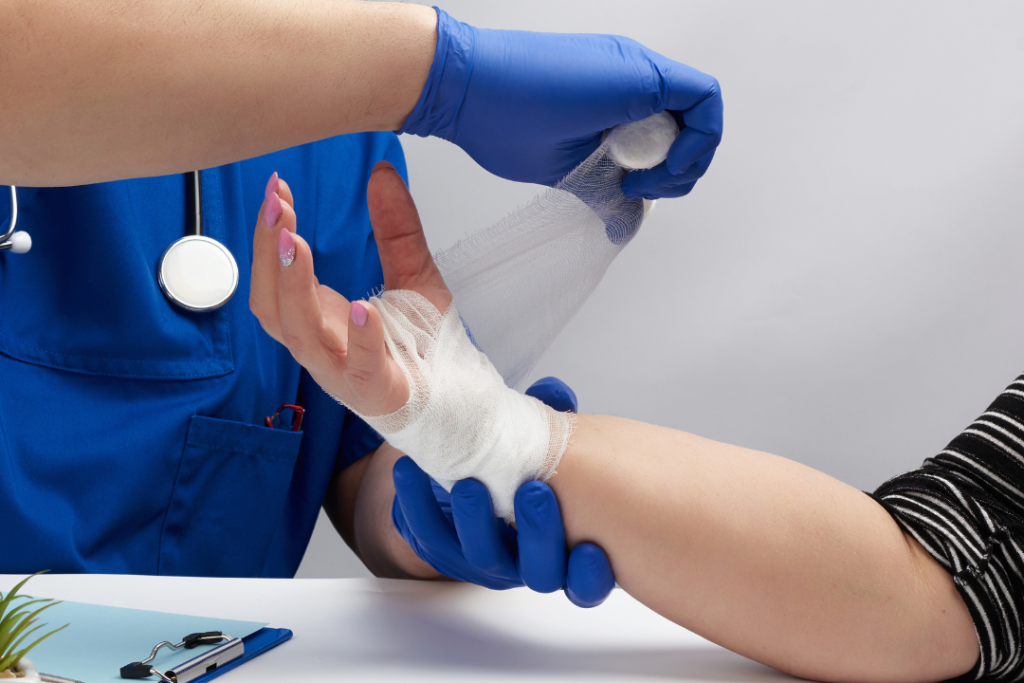
Whether it’s a surgical incision, a blister, or a pressure sore, every wound has the potential to become infected if not properly cared for. Infection can start subtly—but if ignored, it can lead to serious complications like delayed healing, tissue damage, or even hospitalization. That’s why knowing how to tell if a wound is infected is essential for protecting your health.
At Advanced Wound Therapy, we care for patients every day who don’t realize their wound is becoming infected until things get worse. The earlier you catch the signs, the sooner you can take action—and the better your chances of preventing long-term damage.
Here’s what to look for, what’s normal, and when to call a professional.
Your skin is your body’s natural barrier against bacteria and toxins. When that barrier is broken—even by a small cut—your immune system steps in to defend against infection. But certain factors increase the risk, especially for people with diabetes, poor circulation, or limited mobility.
Wounds that are not cleaned properly, are exposed to unclean environments, or don’t receive consistent care can quickly become infected. And some infections develop even with good care, especially in patients with weakened immune systems.
Knowing how to tell if a wound is infected can help you act quickly and avoid complications.
Some symptoms of infection appear within a few days of injury, while others may take longer to develop. Here are the most common early warning signs:
While mild redness is normal as part of the healing process, spreading or worsening redness—especially in a ring pattern—is a red flag.
Initial swelling is expected, but if the area stays swollen or feels hard and tight days later, it may indicate infection or underlying inflammation.
Clear or pale yellow fluid is typical in early healing. Thick, green, yellow, gray, or bad-smelling drainage is a strong sign of infection.
A small amount of warmth is normal during healing, but if the skin becomes hot to the touch or the heat is spreading, this could signal a growing infection.
If your wound suddenly becomes more painful—even though you’re resting it and not irritating the area—it may be a sign that bacteria are multiplying beneath the surface.
Not all infections stay local. If left untreated, a wound infection can spread to nearby tissue or even enter the bloodstream. These advanced warning signs mean you should seek care immediately:
If you’re noticing any of these signs and wondering how to tell if a wound is infected, it’s time to stop wondering and start acting.
In some cases, a wound infection may not show dramatic signs—especially in patients who already have poor circulation, nerve damage, or a weak immune response. These include:
For these patients, infection can spread silently and quickly. That’s why regular monitoring and professional wound evaluation are essential.
If you’re concerned about a possible infection, don’t wait. The earlier it’s caught, the easier it is to manage. At Advanced Wound Therapy, our in-home wound care specialists are trained to recognize subtle signs of infection, even in complex cases.
When we evaluate a patient with suspected infection, we:
In some cases, we also coordinate with a physician or provider to prescribe antibiotics when clinically appropriate.
Over-the-counter creams and home remedies aren’t enough to manage an infected wound. In fact, using the wrong product can trap bacteria, worsen inflammation, or damage healing tissue.
Professional wound care offers:
Want to learn more about how we support complex wound care? Explore this clinical overview on best practices for wound infection management.
It’s easy to brush off a little extra pain or drainage—but that’s exactly how wound infections go unnoticed until they become serious. If you’re uncertain about what’s happening or simply want a professional set of eyes on your wound, Advanced Wound Therapy is here to help. Contact us today to get started!
We bring expert-level wound care to your home, so you don’t have to deal with waiting rooms, long travel, or guessing what to do next.
If you’re unsure how to tell if a wound is infected, don’t take chances—schedule a visit with our mobile wound care team today. We’ll give you answers, peace of mind, and a path toward safer recovery.
Author: Matt Carmichael, DO
Don't wait—get the expert wound care you need. Schedule your consultation with Advanced Wound Therapy today.
