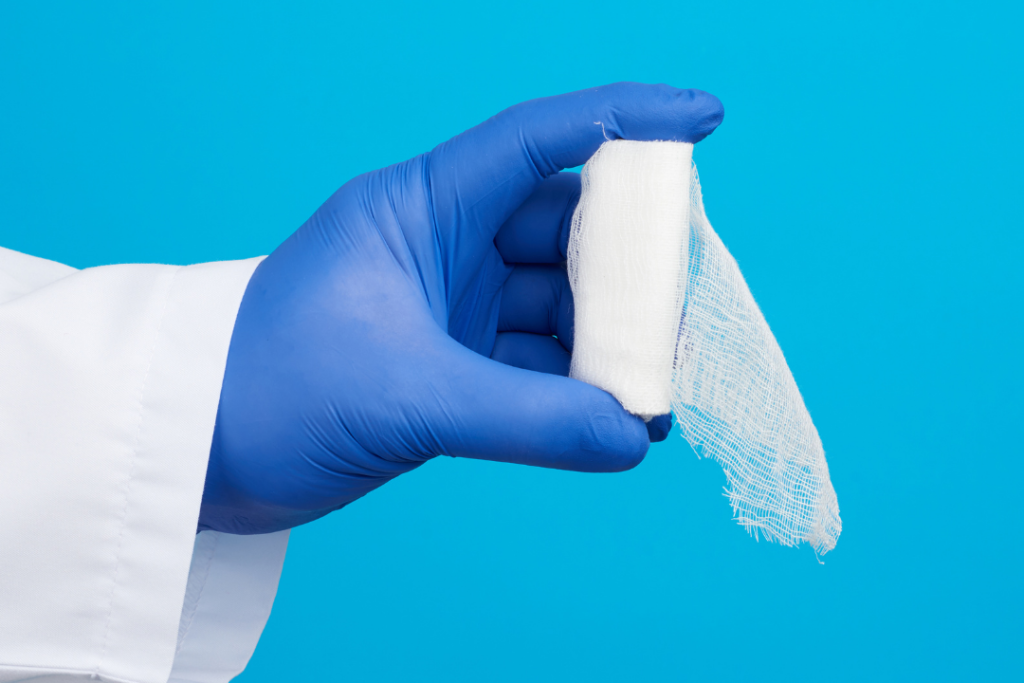
At Advanced Wound Therapy, we meet many patients who feel overwhelmed by the number of wound care products available. It’s completely understandable—every package claims to offer protection, moisture control, or enhanced recovery, but choosing the right option isn’t always straightforward. That’s why understanding different types of wound dressings becomes such an important part of successful care.
The dressing you use can support a healthy wound environment, protect fragile tissue, reduce pressure, manage drainage, and help prevent complications. But no single dressing works for every patient or every wound. Each wound behaves differently based on depth, cause, location, circulation, and overall health status. Our mobile wound care team helps patients choose options tailored to their needs so each dressing supports the wound appropriately at every stage.
While wounds vary widely, all effective dressings share a few important goals. These include:
Some wounds need moisture added. Others need moisture removed. Some need cushioning to reduce pressure, while others require thin, flexible protection to let the surrounding skin breathe.
Because each wound responds differently over time, the dressing that works today may not be the best option next week. This is exactly why choosing the right approach requires careful evaluation rather than a one-size-fits-all routine.
Absorptive dressings are helpful for wounds that produce moderate to heavy drainage. Too much moisture can cause the surrounding skin to break down, so these dressings help keep the area balanced.
Some common examples include:
These dressings work well for venous ulcers, certain diabetic wounds, or wounds involving excess fluid. However, they’re not appropriate for wounds that are already dry, because they can remove the moisture the wound needs to stay healthy. This is one of many moments when our patients realize why understanding different types of wound dressings matters more than they expected.
Some wounds need additional moisture to support cellular processes and keep new tissue from drying out. In these cases, we may turn to dressings designed to add hydration.
Common examples include:
Hydrating dressings can work well for certain pressure injuries or shallow wounds with dry, cracked tissue. When applied appropriately, they help create a more balanced environment and protect the area from friction.
However, too much moisture can cause softening or breakdown around the wound, making careful monitoring essential. Our team evaluates drainage, color, and tissue texture at every visit so we can adjust the dressing plan based on how the wound responds.
Many patients—especially older adults or those with chronic illness—have delicate or easily irritated skin. Some adhesive products can tug, tear, or damage the skin around the wound. For these situations, we look for gentle alternatives such as silicone-backed dressings or soft retention layers.
These options offer security without causing trauma during dressing changes. Protecting the surrounding skin is just as important as treating the wound itself, because skin irritation can cause new wounds or slow existing progress.
Some wounds require dressings that offer advanced support, especially when the wound is deep, complex, or not progressing as expected. In certain cases, we may introduce an amniotic graft when medically appropriate.
Specialty dressings may also include:
Because each patient’s health profile is unique, we only recommend specialty materials after a full assessment to ensure they meet medical and safety criteria.
Two wounds may look similar but require totally different dressings depending on where they are located.
For example:
These considerations are just as important as the size or depth of the wound itself. Without the right strategy, even a well-chosen dressing may not provide the support the wound needs.
Many patients assume they should continue using whatever dressing they started with, but wounds change constantly. As they produce less drainage, develop new tissue, or shrink, their dressing requirements shift too.
Our team makes ongoing adjustments based on things like:
We often explain that selecting among different types of wound dressings is not a one-time decision—it’s a process that evolves with the wound.
The wrong dressing can lead to complications such as skin breakdown, excessive moisture, infection risk, or stalled healing.
Some common problems include:
Understanding these risks is one reason the National Institutes of Health emphasizes monitoring wound condition and moisture balance in their wound care guidance at https://www.ncbi.nlm.nih.gov/books/NBK534838/.
Dressing misuse isn’t the patient’s fault—wound care is complex. Our role is to simplify it and guide patients toward safer, more supportive strategies.
Because we evaluate wounds in the patient’s home, we can see firsthand what pressures, mobility challenges, habits, and environmental factors may affect a dressing’s performance.
We tailor dressing recommendations based on:
And because our team monitors wounds closely over time, we can adjust the plan quickly if the wound’s needs change. This personalized approach is essential when navigating the many types of wound dressings available today.
If a wound shows increased pain, spreading redness, new odor, or unusual drainage, it’s time to contact a specialist. You should also reach out if you feel unsure whether the current dressing is the best choice.
Your wound deserves care that adapts with you—not a one-size-fits-all product that may not address what’s really happening beneath the surface.
Our team is here to help you choose the right dressing for every stage of healing—reach out today so we can bring expert, personalized wound care straight to your home.
Author: Matt Carmichael, DO
Don't wait—get the expert wound care you need. Schedule your consultation with Advanced Wound Therapy today.
