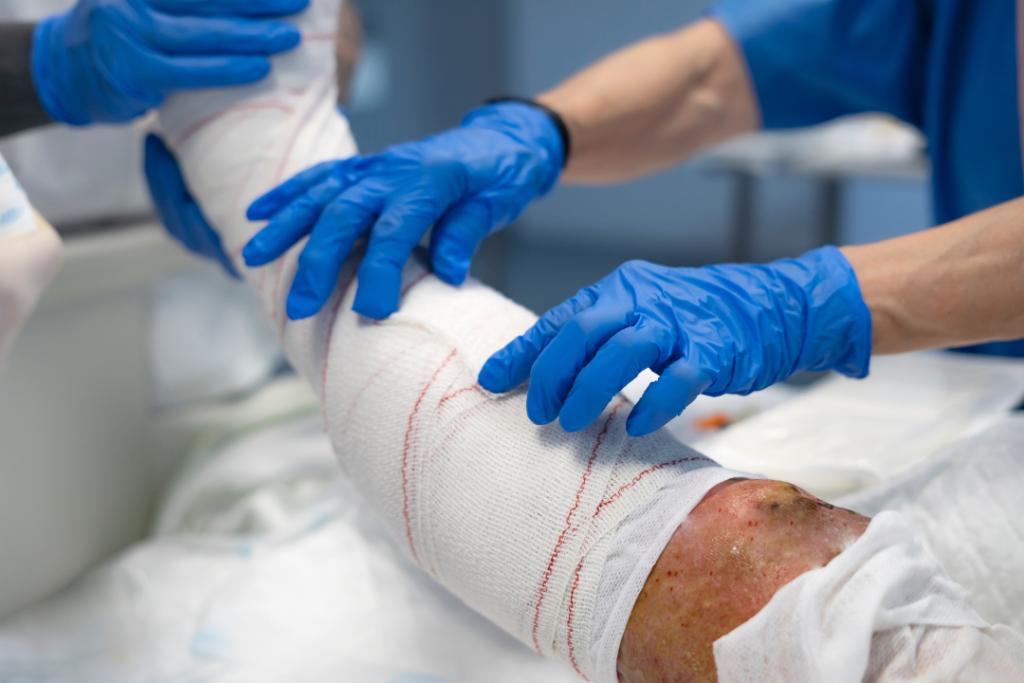
At Advanced Wound Therapy, one of the most common questions we hear from patients and caregivers is can you treat a wound at home without risking complications. It’s a fair question. Many wounds begin as minor injuries, and not every scrape or cut requires professional care.
However, some wounds that look manageable at first can quietly become serious problems if warning signs are missed. Knowing when home care is appropriate—and when it’s not—can make a meaningful difference in safety, recovery time, and long-term outcomes.
Home wound care typically involves basic steps like cleaning the area, protecting it with a dressing, and monitoring for changes. For certain minor wounds, this approach can be safe and effective.
Home treatment generally focuses on:
When done correctly and under the right circumstances, these steps can support the body’s natural repair process. The challenge is knowing which wounds truly qualify for home care and which ones need closer medical oversight.
Some wounds are low risk and respond well to careful monitoring and basic care. These often include:
These wounds typically show steady improvement within a few days. Redness fades, pain decreases, drainage lessens, and the wound gradually closes. In these cases, patients may reasonably ask can you treat a wound at home, and the answer is often yes, as long as progress continues.
Even with minor wounds, cleanliness and consistency matter. Improper dressing changes or ignoring early warning signs can still lead to complications.
Not all wounds behave predictably. Some start small but stall, worsen, or develop hidden issues beneath the surface. Wounds are more likely to become unsafe for home management when circulation, pressure, or chronic health conditions are involved.
Home treatment may not be appropriate if a wound:
These signs suggest the wound may need specialized evaluation. The CDC emphasizes that delayed care increases the risk of infection and complications, particularly in wounds that do not progress normally (https://www.cdc.gov/infection-control/hcp/).
Health history plays a major role in deciding whether home care is safe. Patients with diabetes, vascular disease, mobility limitations, or immune compromise face higher risks even with seemingly minor wounds.
In these situations, asking can you treat a wound at home requires a more cautious approach. Reduced circulation can slow tissue repair. Decreased sensation may prevent patients from noticing damage early. Pressure and swelling can quietly worsen wounds without obvious surface changes.
For patients with chronic conditions, wounds often benefit from earlier professional oversight—even if they appear small at first.
Knowing when to escalate care is critical. You should seek evaluation if you notice:
The Cleveland Clinic notes that infection and delayed closure are common reasons wounds require medical attention, especially when risk factors are present.
Ignoring these signs can allow a manageable wound to become a much more serious issue.
Many patients feel frustrated when they’re doing “everything right,” but the wound doesn’t improve. This often happens because surface care alone doesn’t address deeper barriers.
Common reasons wounds stall include:
When these factors aren’t identified early, home care can unintentionally maintain conditions that slow progress rather than support it.
Professional wound care focuses on more than the surface. Our team evaluates the wound environment as a whole, including circulation, drainage patterns, pressure points, and surrounding skin health.
In some cases, advanced options such as amniotic grafts may be appropriate. These grafts do not heal the wound directly. Instead, they provide structural support that helps maintain a healthier environment so the body can continue its natural repair process more effectively.
This comprehensive approach helps explain why some wounds improve only after professional involvement, even when home care has been diligent.
Monitoring is what separates safe home care from risky guesswork. When wounds are treated at home, changes should be documented and reviewed regularly.
Helpful monitoring habits include:
The NIH highlights the importance of consistent wound assessment in preventing complications and identifying early signs of decline (https://www.ncbi.nlm.nih.gov/books/NBK534838/).
If monitoring reveals stagnation or decline, that’s often the moment when home care should transition to professional support.
At Advanced Wound Therapy, we don’t believe every wound needs aggressive treatment—but we do believe every wound deserves informed decision-making. Our role is to help patients understand whether their wound is progressing safely or quietly heading toward trouble.
When patients ask can you treat a wound at home, we look at:
This evaluation helps ensure that care decisions support safety rather than delay improvement.
Home wound care can be appropriate for minor wounds improving without risk factors. But when wounds stall, worsen, or exist alongside chronic conditions, professional guidance becomes essential.
Understanding the limits of home care empowers patients to act sooner, avoid complications, and protect long-term health. Asking can you treat a wound at home is an important first step—but knowing when to reach out can make all the difference.
Our team is here to help you make that call with confidence—contact us today so we can support your wound with the right level of care at the right time.
Author: Matt Carmichael, DO
Don't wait—get the expert wound care you need. Schedule your consultation with Advanced Wound Therapy today.
